Physical Therapy Post-Professional Doctorate (online)
About This Program
Our online transitional Doctor of Physical Therapy (tDPT) program is designed to give licensed physical therapists the industry-standard knowledge, skills, and experience they need to build on what they’ve learned as a practicing physical therapist. Earn your post-professional Doctor of Physical Therapy degree online in just 16 months.
Department
Why Utica University
Expand your skills as a Physical Therapist
Take control of the therapeutic process, from determining diagnoses to implementing physical therapy treatment that best suits the needs of your patients, and meet the highest standards of professional practice.
After completing your tDPT program, you’ll be able to:
- Develop hypotheses to guide clinical decisions for patients.
- Analyze the results of diagnostic testing as part of patient examination.
- Apply principles of risk management to physical therapy practice.
- Describe the clinical impact of PT imaging technologies.
- Revise physical therapy strategies and procedural interventions based on results of diagnostic imaging, response to treatment, or changes in histology or pathology.
Transitional Program in Physical Therapy (tDPT ) - Admissions Requirements
Applicants to the tDPT program (who are living in the US and licensed or license-eligible as physical therapists) must have:
- Transcript from a physical therapist degree program
- Professional portfolio
- Current US state professional license (or proof of eligibility to sit for licensure in the US)
- Two written recommendations
- Brief essay articulating goals for ppDPT study
Applicants to the tDPT program (who are living in the US OR outside of the US and who are NOT YET licensed or license-eligible as physical therapists) must have:
- A comprehensive credential evaluation from the Foreign Credentialing Committee on Physical Therapy (FCCPT) noting that their entry-level physical therapy education is “substantially equivalent to the first professional degree in physical therapy in the United States. The first professional degree in the United States is the master’s degree or higher.”
NOTE: The Utica University tDPT curriculum does not provide the education that offers a path for US licensure as a physical therapist and/or a Visa to practice physical therapy in the US.
- Professional portfolio
- Current license from country of origin (if living outside of the US)
- Two written recommendations
- Brief essay articulating goals for ppDPT study
- English language proficiency tests such as TOEFL or IELTS if English is not your first language -- UC requires a TOEFL score of 550 written, 213 computer-based, 79 internet-based and IELTS of 6.0.
Contact Information
Office of Graduate Admissions
General Information
Physical Therapy Post-Professional Doctorate (online) at Utica
The tDPT program offered me the opportunity to shape my mind and my professional path, providing me with the skills to navigate my busy life as a clinician and transform my passion into purpose.
What You'll Learn
Explore the most up-to-date knowledge you need to excel as a Doctor of Physical Therapy. Through seven courses, you’ll learn about the foundations of autonomous practice, techniques for prevention and wellness, diagnostic imaging, pharmacology and pathophysiology, and more. Courses include:
- PHT 701 - Foundations of Autonomous Practice (2,3)
- PHT 712 - Prevention and Wellness (2,3)
- PHT 721 - Diagnostic Imaging I (2)
- PHT 722 - Diagnostic Imaging II (2)
- PHT 723 - Pharmacology and Pathophysiology I (2)
- PHT 724 - Pharmacology and Pathophysiology II (2)
- PHT 716 - Global Health Care Issues (3)
- PHT 816 - Practicum (1 to 6)
Within the Doctor of Physical Therapy program, students will learn to:
- Demonstrate the ability to locate and critically analyze the literature to develop hypotheses to guide clinical decisions for patients/clients.
- Use computer and/or telecommunication technology to gather information to address clinical questions and about the efficacy of practice.
- Integrate cultural competence into professional behavior and clinical encounters with all clients.
- Appraise levels of sensitivity and specificity of evidence to make clinical judgments.
- Integrate research evidence, patient values and preferences, ethics, and clinical experience to examine patients/clients across the lifespan.
- Display adherence to physical therapy core values and professional standards.

Physical Therapy Faculty & Staff
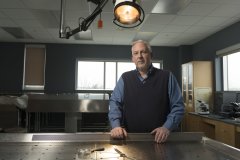
- Distinguished Professor of Physical Therapy
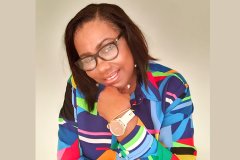
- Adjunct Lecturer of Physical Therapy
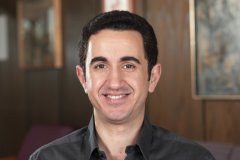
- Professor of Physical Therapy
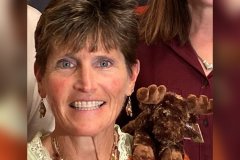
- Professor of Practice- Physical Therapy/Interim Chair
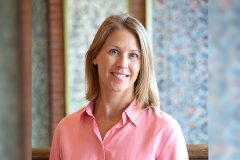
- Assistant Professor of Physical Therapy
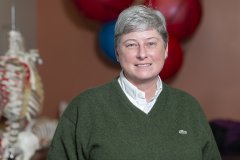
- Director of Health Professions & Education
- Assistant Professor of Physical Therapy
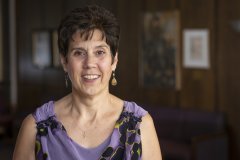
- Associate Professor of Physical Therapy, Director of Clinical Education
- Professor of Practice in Physical Therapy
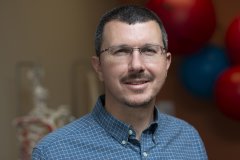
- Associate Professor of Physical Therapy
- Assistant Professor of Physical Therapy
- Assist. Professor PHT
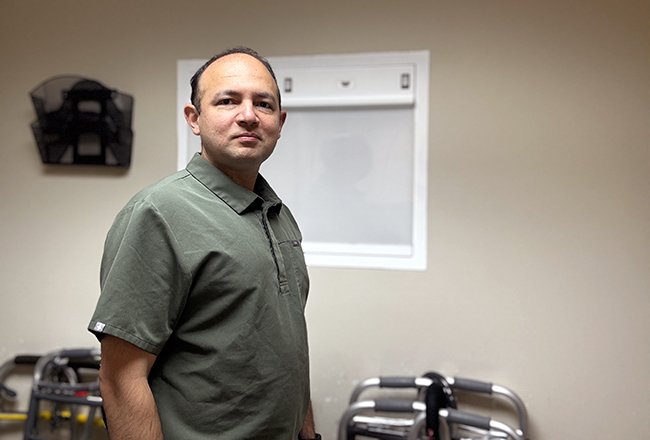
Flexible and Challenging
"Balancing full-time work with graduate study seemed impossible until I talked to an admissions councilor at Utica University. They made the post professional physical therapy program accessible and deeply meaningful, with a curriculum designed around real life. Every module challenged me, pushed me, and made me feel like I was truly learning and not just reviewing. It was both flexible and challenging, and that's what made it powerful."
— Vrashank Dave G'25, D.P.T.
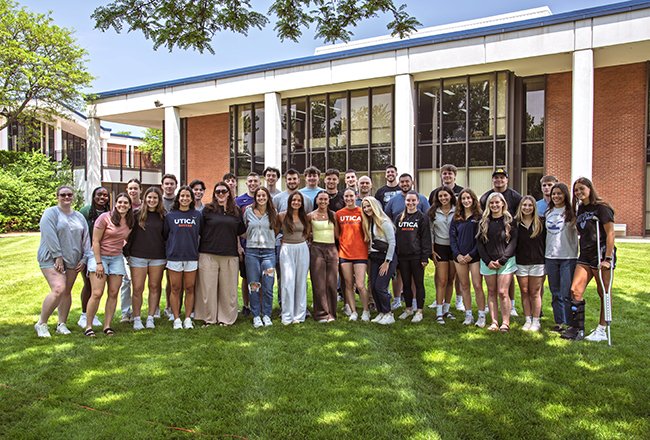
Greeting from the Interim Chair of Physical Therapy
"I invite you to consider our program for your professional education. We offer a blended program that incorporates traditional learning with case analysis."
— Dawn Evans, D.P.T.
Interim Chair
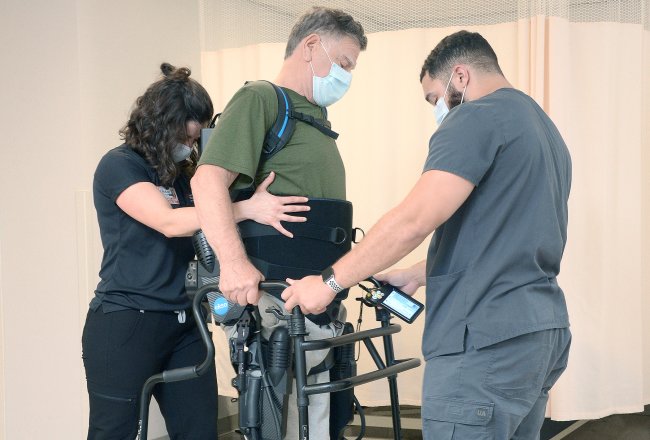
Neurologic Physical Therapy Residency Program
Utica University has partnered with Sunnyview Rehabilitation Hospital in Schenectady to provide a unique neurologic physical therapy residency program. This 12-month residency program focuses on advanced clinical decision-making.
Learn MoreHappening at Utica University
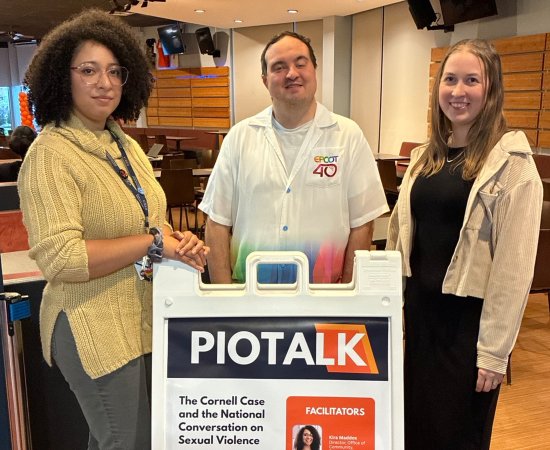
PioTalk opens conversation about sexual assault, violence, and building safer communities

“You’re part of our story.”

80 Years Later, Utica University Returns to Where its Story Began
Related Programs